Home
12:00 PM CDT
Kenneth Walsh, PhD
Program Overview
The Walsh lab conducts comprehensive research on the age-related emergence of somatic mosaicism in immune cells and how it functions as a causal risk factor for cardiometabolic diseases. Clinical and experimental models show that aging is associated with the development of clonal hematopoiesis (CH, also referred to as “CHIP”) caused by somatic mutations in hematopoietic stem cells that confer a competitive growth advantage to mutant cells and lead to their clonal expansion. While epidemiological studies have linked it to increased mortality, primarily due to elevated cardiovascular disease (CVD) risk, the descriptive nature of epidemiological data limits the ability to determine causality, directionality, or underlying mechanisms. To address these limitations, the Walsh lab has utilized murine genetic models to establish a causal link between age-related CH and cardio-metabolic diseases, initially focusing on somatic mutations in the TET2 driver gene in atherosclerotic CVD (Fuster et al., Science, 2017) and heart failure (HFrEF, Sano et al. JACC 2018; and HFpEF, Cochran et al., Circulation 2023). Subsequent studies have generalized these findings by investigating additional mutated driver genes, including DNMT3A, ASXL1, JAK2V617F, PPM1D, and TP53 (summarized in Evans et al., Phys. Rev., 2023), and additional pathological conditions including anthracycline-induced cardiotoxicity (Sano et al. JCI Insights 2021), insulin resistance (Fuster et al. Cell Reports 2020), renal hypertension (Polizio et al. Circ Res. 2024 and Polizio et al. Hypertension 2025) and autoimmune disease (Polizio et al. In preparation). The lab has also established multiple national and international collaborations with physician scientists to analyze the status of CH in various patient cohorts. Collectively, these investigations have led to the development of a mechanistic framework that highlights cytokine overactivation in immune cells as a key driver of the pathological effects associated with CH. Clinical studies on CH have validated some of these mechanistic details. Building on these studies, we have initiated a research program to study the prevalent condition of age-related sex chromosome aneuploidy in the hematopoietic system, specifically focusing on mosaic loss of the Y chromosome (mLOY) in males. Through the development of unique models, our studies have shown that mLOY can causally contribute to the widely recognized reduction in lifespan in males compared to females. Analysis of disease-specific outcomes has shown that mLOY promotes or is associated with heart failure (Sano et al. Science 2022), cardiac amyloidosis (Thel et al. Circ. Heart Fail. 2024), idiopathic pulmonary fibrosis (Bjurling et al. Commun. Med. 2025), aortic stenosis (Morello et al. JACC Adv. 2026) and kidney disease (Arai et al. Sci. Transl. Med. 2025).
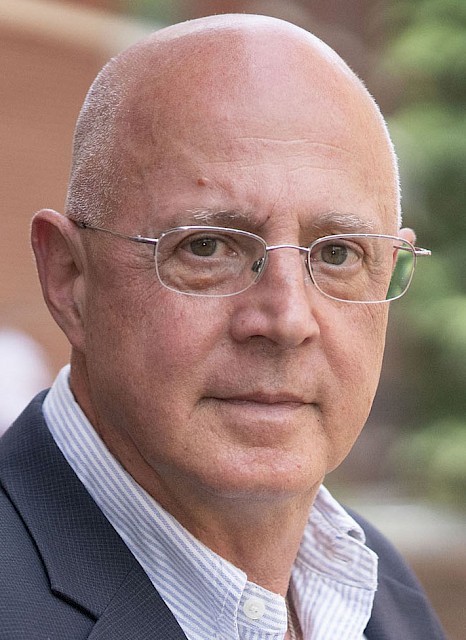
Kenneth Walsh, PhD
Kenneth Walsh, PhD is the Lockhart B. McGuire Professor of Internal Medicine at the University of Virginia School of Medicine and the Director of the Hematovascular Biology Center. He is a member of the Robert M. Berne Cardiovascular Research Center and an Associate Member of the Cancer Center. Dr. Walsh, who received his PhD in Biochemistry from the University of California, Berkeley, examines molecular events that drive cardiovascular cell growth, differentiation and apoptosis. His laboratory performed seminal studies documenting the importance of Akt/PKB signaling in the function and growth of cardiovascular tissues. Over the past decade, his laboratory has investigated mechanisms of inter-tissue communication and how these systems contribute to physiological versus pathological tissue growth in the cardiovascular system, particularly as it relates to obesity and systemic metabolic dysfunction. Most recently, his laboratory has conducted seminal studies on how age-related genome instability, i.e. clonal hematopoiesis and loss of the Y chromosome in males, contributes to cardiometabolic diseases. Dr. Walsh has published more than 400 scientific articles, and he is the recipient of multiple research grants from the National Institutes of Health, the National Aeronautics and Space Administration, and the Department of Defense. Dr. Walsh has served as a charter member of the CCHF study section for NIH. He was an Associate Editor for the journal Circulation for 12 years and has served on numerous other editorial boards.
P.O. Box 1488
Warrenville, IL
info@sfrbm.org



® Copyright 2026 Society for Redox Biology and Medicine